When We Say “Irish Beer,” You Say Guinness
Originally published in the Post’s Summer 2020 edition. Restored from the old Wix archive on November 3, 2026. Dates, forthcoming projects, prices and availability in the original article describe that period. Historical email contact details are omitted.
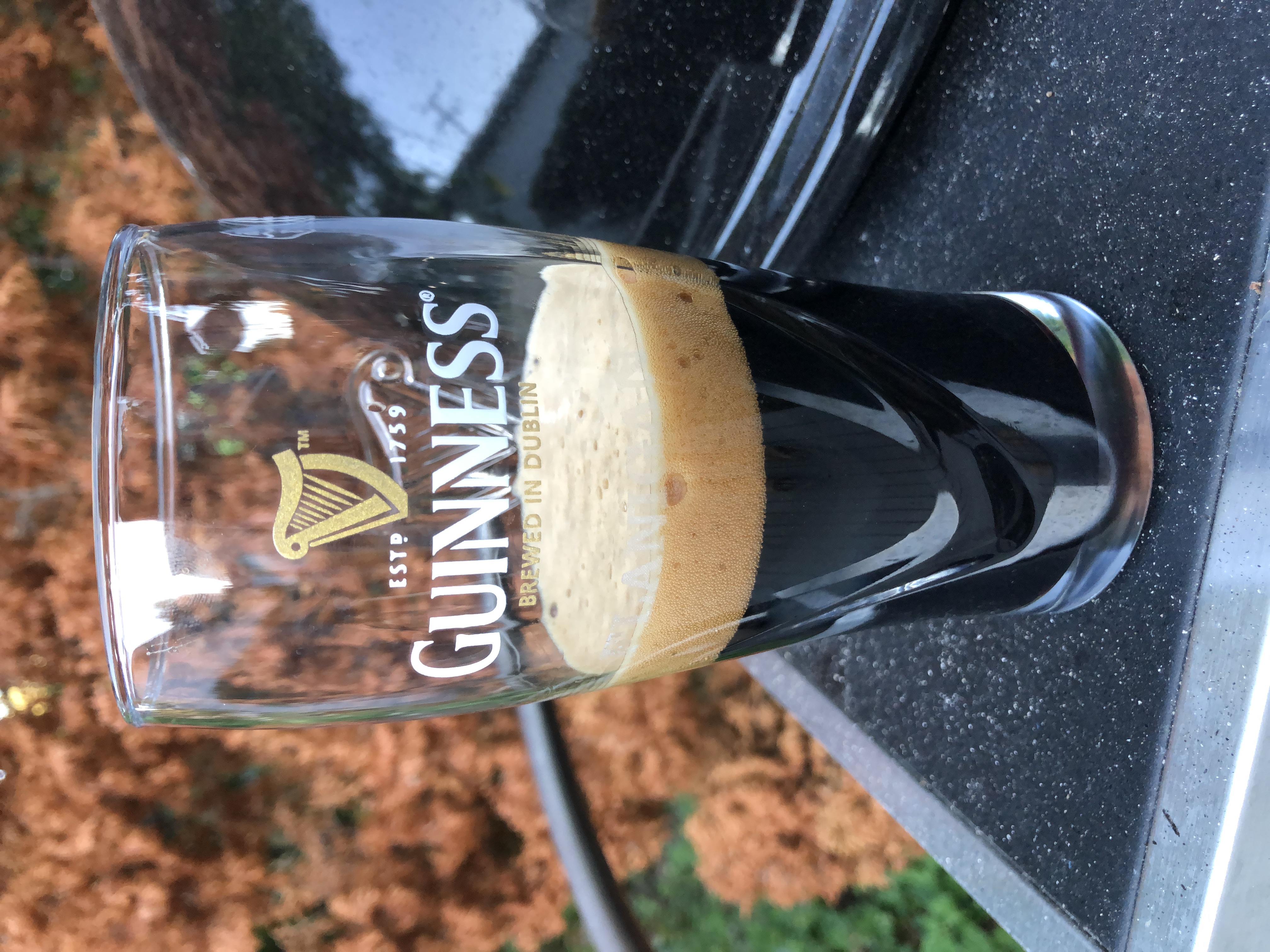
It’s a curious thing, Guinness. The Irish dry stout with a creamy head. It’s dark and thick but if you get it in draught form, it’s a low 4.2% ABV. The technology of nitrogen gives it a head so creamy that bartenders can draw a shamrock in it.
It looks heavy which causes some to shy away. But those “Guinness is strength” posters don’t lie. The beer is remarkably light. A 12-ounce serving has 125 calories (about 15 more than 12 ounces of Bud Light).
There’s a school of thought that stouts were born from porters, dark beers that were originally a blend of brown ales. Technological advances (as they were considered in Jolly Olde England) gave brewers more choices in making porters. Some were brewed stronger and became known as stout porters, according to The Oxford Companion to Beer.
Key to the beer style is its dark color and roasted character. Stouts are known for their caramel, chocolate and coffee flavors — sweet tastes that balance the bitterness of roasted barley.
But they’re not just one thing. Stouts are as variable as IPAs which run the gamut from juicy and hazy to beautifully bitter. Milk stouts, for example, are the same dark ale but brewed with lactose (milk sugar) included. Oatmeal stout is the result of oats being added at the mash stage for chocolate notes and often a hint of sweetness.
Russian Imperial stouts, which are typically the stouts with adjunct ingredients from cinnamon to maple syrup, were first brewed in England for Emperor Peter the Great of Russian. The big bold stouts lend themselves to spending time in whisky barrels, particularly bourbon barrels which smooth out the bitterness of the dark grains.
This year more than 900 breweries nationally (and across the world) joined in a movement to make Black Is Beautiful stout. They used a recipe created by Marcus Baskerville, co-owner and head brewer of Texas brewery.
Each brewery added their own twist to the recipe. Milwaukee’s 1840 Brewing, for instance, added cocoa nibs Tom Ciula is a certified beer judge and an expert on most things beer related. He credits stout for kicking off that liquid journey.
“I still remember my first Guinness which I sipped on at Steny’s (notable Milwauee taven) after a Union meeting,” Ciula said. “The rich, roasty charred malt flavor struck me as so inspired, so different from my usual Hamm’s, that I was sure I had made a unique discovery of a rogue brewery.”
He didn't.
“From that first Guinness, I’ve progressed to enjoying all the different styles of stouts and now with thousands of others, await the release of this year’s monster barrel-aged maple, coffee and vanilla infused Imperial stouts by all my favorite breweries,” he said.
For years now, craft brewers have been testing the limits of what people expect beer, expect stout, to taste like.
Goose Island Brewing in Chicago is considered the first brewery to put its stout in high- end bourbon barrels to create stout with a punch. Other breweries followed suit: Lakefront with its annual Black Friday release of a stout aged in bourbon or rye barrels.
Central Waters, a brewery in Amherst, Wis., draws thousands to the tiny town for its annual anniversary party in January. The specialty bottles of barrel-aged stout pack a punch of taste and alcohol.
Westallion Brewing in West Allis created Egg Nog stout, a white stout (you read that right) by using cinnamon sticks and nutmeg tossed in the boil. Brewer Erik Dorfman added lactose sugar, two kinds of coffee and vanilla beans to the mix then, for good measure, splashed in some rum extract.
“I enjoy all the variations of the stout style,” Ciula said. Some more than others.
“I’m partial to the drier ones, which get their influence from the early Irish brewers,” he said. “Being a lover of Starbucks strong and bold potent dark roast coffees, I’m naturally drawn to the similarly structured stouts more than the sweeter English style versions, which the lovers of the Starbucks coffee cocktails and macchiatos would prefer.”
Some talking points about stouts from an expert:
— The roasted taste should linger on the palate and yield its treasures slowly like a first- class espresso.
— A well-made stout is never over carbonated. You don’t want your taste buds scrubbed on every sip. Stout should be smooth and velvety so that comforting slightly bitter blanket of dark roast can be experienced fully.
Stouts aren’t always just for drinking. They’re useful in cooking.
To make with Guinness:
Guinness-Glazed Halibut
Ingredients:
2 12-ounce Bottles of Guinness Stout
1/3 Cup Honey
1 Tablespoon Fresh Lemon Juice
1/2 Teaspoon Hot Sauce
Salt
4 6-Ounce Skinless Halibut Fillets
4 Large Carrots
Extra Virgin Olive Oil for Brushing
Freshly Ground Pepper
In a skillet, bring stout and honey to a boil. Simmer over moderate heat, skimming, until reduced to 1/2 cup, 25 minutes. Pour into a heatproof bowl and stir in the lemon juice, hot sauce and 1/2 teaspoon of salt; let cool to room temperature.
In a shallow baking dish, pour half of the stout glaze over the halibut fillets and turn to coat thoroughly. Cover and refrigerate overnight, turning a few times. Reserve the remaining stout glaze.
Preheat the broiler. Bring a saucepan of water to a boil. Add the carrots and boil until just tender, about 4 minutes; drain. Pour the reserved stout glaze into the saucepan and boil over high heat until thickened and reduced to 1/3 cup, about 2 minutes. Add the carrots and simmer until glazed, about 1 minute.
Remove the halibut from the marinade and arrange the fillets on a rimmed baking sheet. Brush the halibut with olive oil and season with pepper. Broil about 4 inches from the heat until richly browned and just cooked through, about 4 minutes. Transfer the halibut to plates and serve with the Guinness-glazed carrots.
— Food and Wine Magazine
To Pair with Guinness:
Apple and Pear Tart
Ingredients:
1 Sheet of All-Butter Puff Pastry in Half Sheet-an Size
3 Anjou or Bartlett Pears, Peeled and Thinly Sliced
3 Granny Smith Apples, Peeled and Thinly Sliced
3 Tablespoons of Unsalted Butter
1/4 Cup of Sugar
1 Vanilla Bean, Scraped
1/2 Teaspoon Ground Cinnamon
1/2 Teaspoon Salt
Vanilla Gelato or Ice Cream
Line a greased 12-inch pie plate with the puff pastry. Cut away excess and discard. In a large sauté pan melt butter and add apples, pears, cinnamon, vanilla, sugar and salt. Simmer over medium heat for about 20 minutes.
Stir gently and be careful not to break up the fruit. Spread the fruit mix evenly over the pastry shell and bake for 30 minutes or until pastry is golden brown.
Allow the tart to cool then serve with warm vanilla gelato of ice cream.
— Guinness Brewery recommendation
Editor’s note: Kathy Flanigan writes about entertainment, lifestyle and beer for the Milwaukee Journal Sentinel. She is also author of Beer Lover's Wisconsin: Best Breweries, Brewpubs and Beer Bars. She’s been a journalist since 1978 covering subjects from how to deal with Southern California traffic to life in the Atlanta suburbs. She lives in Wauwatosa, WI, with her husband, Duane, and her dog, Jack.
There is also a parrot in there somewhere as well.
Slainte!